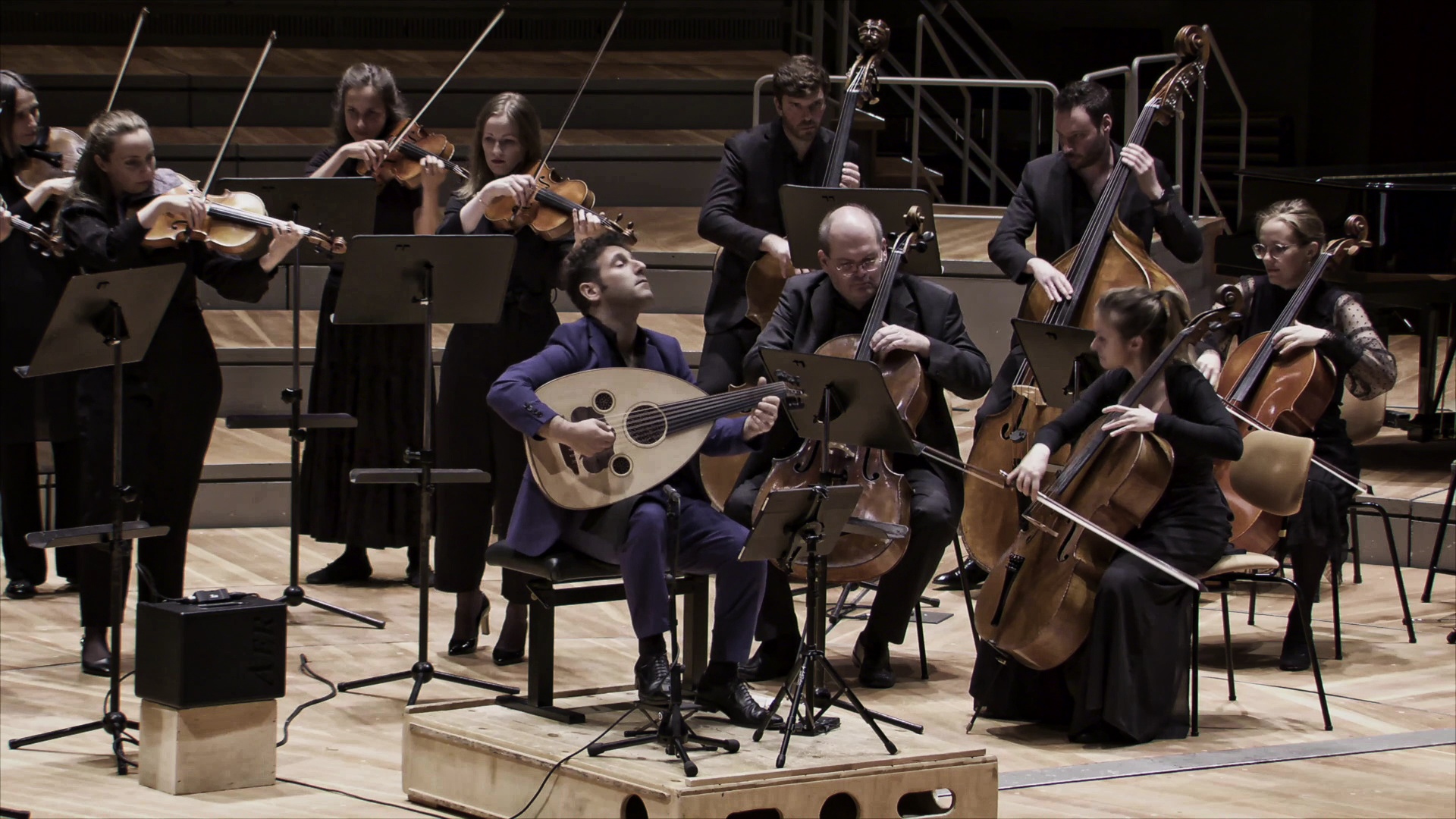
Make Your Own Music
Only professionals can compose? Wrong. In this workshop you learn the basics and make music of your own. You need no experience in composing — only the ability to read music.
Scheersberg 2, 24972 Steinbergkirche
Live in the Kreis Schleswig-Flensburg and receive social benefits? A reduction may be possible — just ask Scheersberg.
Where this comes from
“When I start composing it is around midnight. First I open a good
bottle of red wine and let it breathe. Then I sharpen four pencils and light a few
candles …”
The romantic assumption
That is how most people picture composing. The reality looks different:
“On weekdays I get up at six. I make breakfast for my children, take
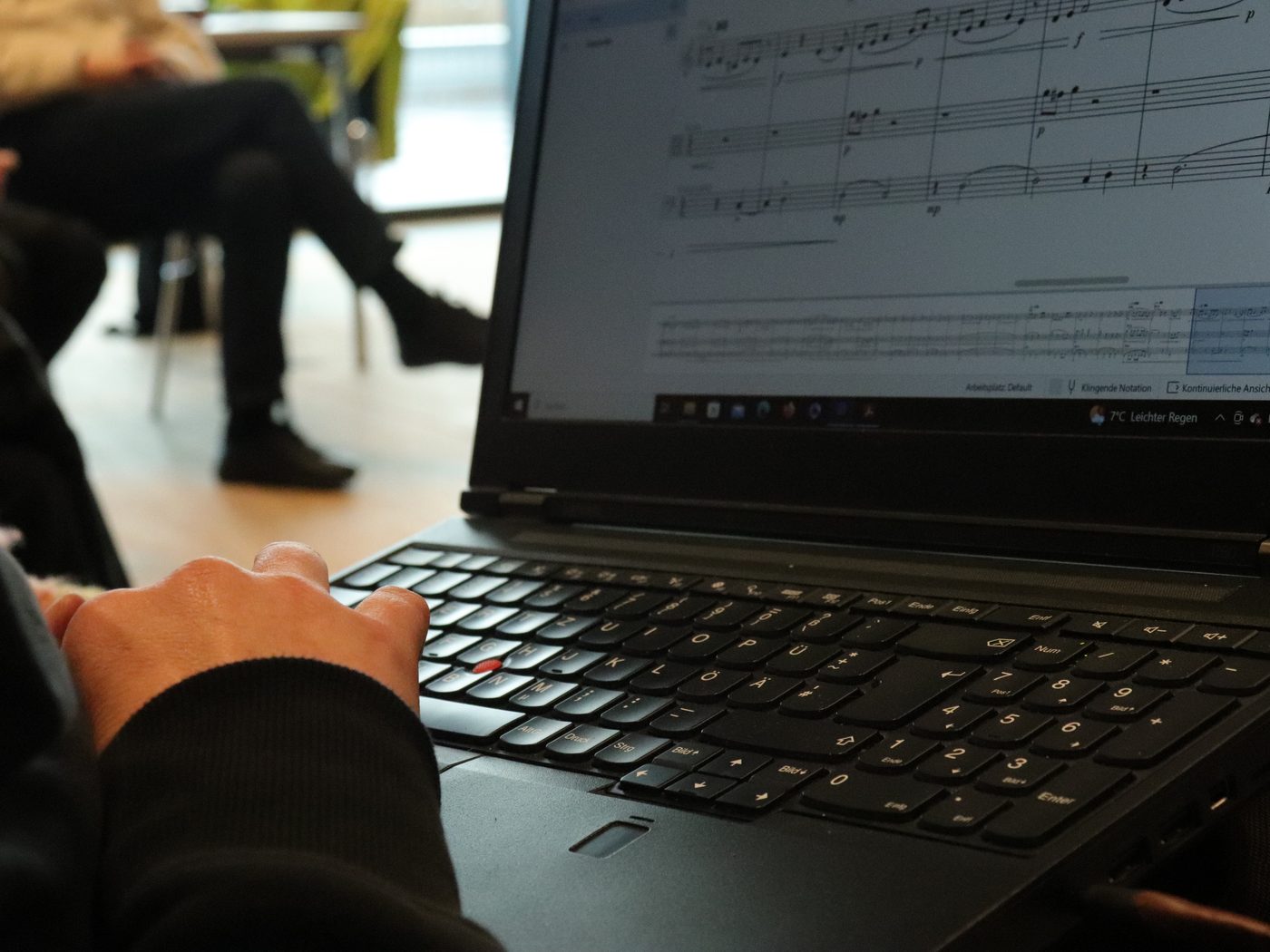
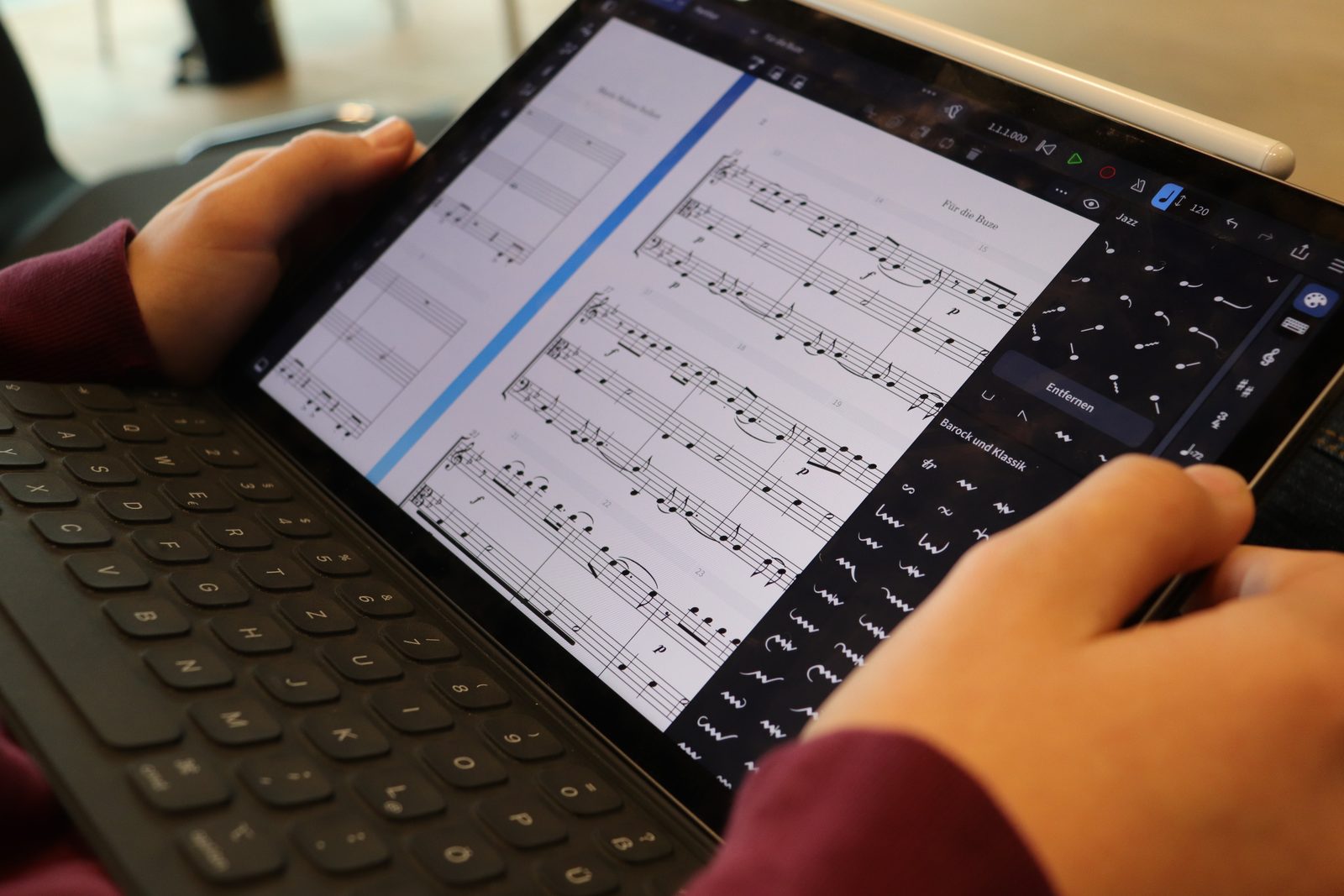
them to school, and by half past eight I am back. Then I open the notation software
and carry on.”
The reality
That is what the workshop and my book I, Compose?! are about: composing is not an inspiration that strikes you. It is a craft you can learn — and it happens on an ordinary weekday morning.
From the book
“I believe everyone can compose music. So why compose? Because it is actually fun, it will make us more creative, we can tell stories and emotions in a less direct way than when we talk.”
Chapter 3 — Why compose at all?
“As Picasso once said: ‘Inspiration exists, but it has to find you working.’ I totally agree with that. I never thought of waiting for inspiration before beginning to compose a piece.”
Chapter 6 — Do I need inspiration?
“Improvisation is like cooking (with or without a recipe), where you adjust flavors as you go. Composition, on the other hand, is like baking, where precise measurements and careful planning are needed.”
Chapter 4 — Improvisation vs. composition
“Just start writing one note. Don’t worry about the key, or the meter.”
Chapter 5 — What tools do I need?
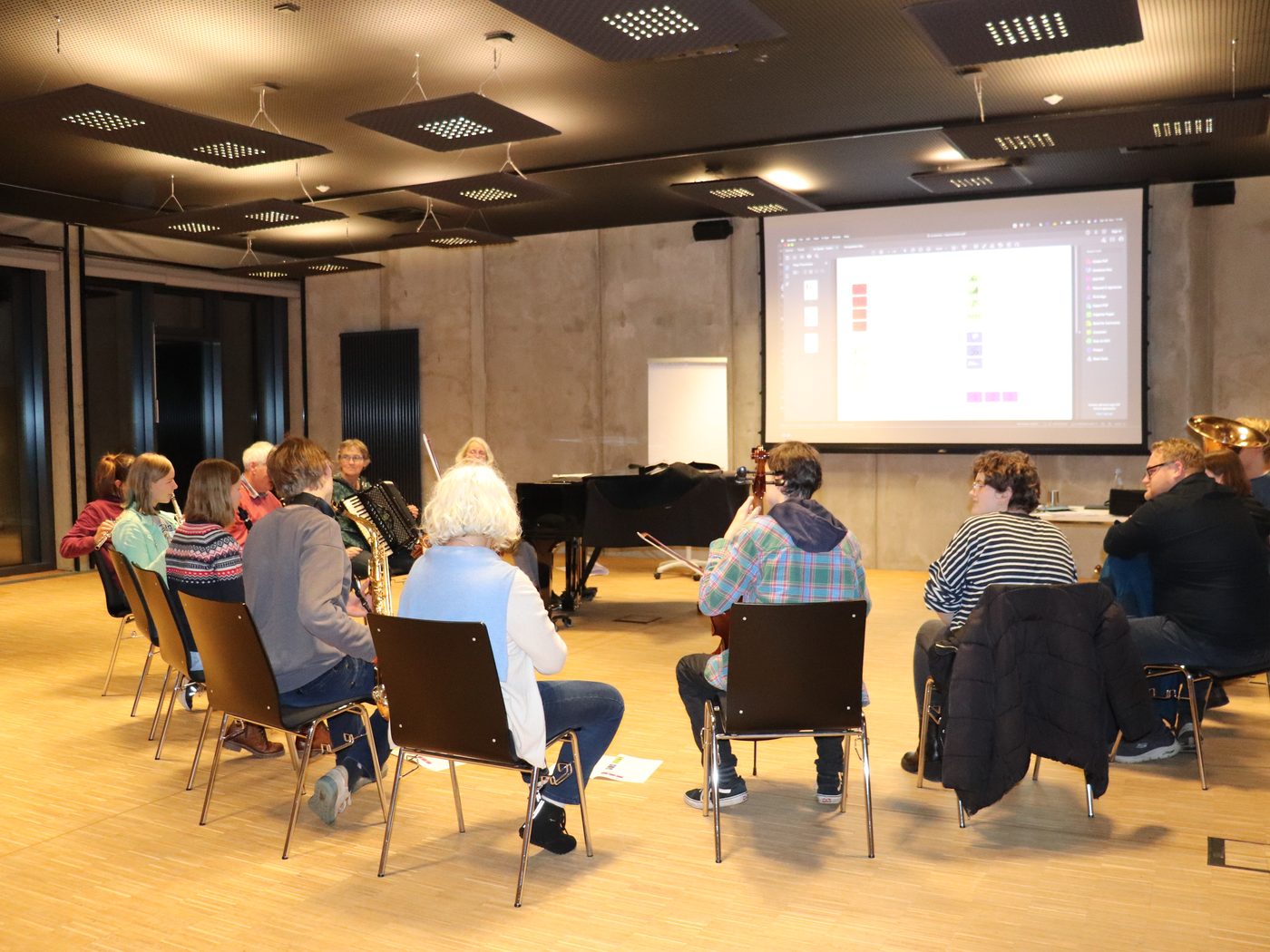
“In my composition workshops … we sit in a room together and everyone composes for themselves quietly in one corner, usually with a laptop or a tablet and with headphones. It has a great atmosphere and everyone gains a lot from each other — and the bonus is, you are not really alone in the process.”
Chapter 3 — on this very workshop
The last two closing concerts
Closing concert 2024, 17 November
Closing concert 2025
How the weekend runs (proposed)
Day one — Friday
- 16:00–17:00
- Arrival
- 17:00–18:00
- Getting to know each other
- 18:00–19:00
- Dinner
- 19:00–21:30
- Improvisation game, and the workshop begins
Day two — Saturday
- 08:00–09:00
- Breakfast
- 09:30–11:00
- Foundations of composing, instrumentation and orchestration for instruments and voice
- 11:00–12:00
- Collecting ideas, and starting to compose in small groups or alone
- 12:15–13:00
- Lunch
- 13:00–15:00
- Free time and individual work
- 15:00–18:00
- Individual work, short private lessons with Shaul, and the laboratory: we try our pieces out
- 18:00–19:00
- Dinner
- 19:00–21:30
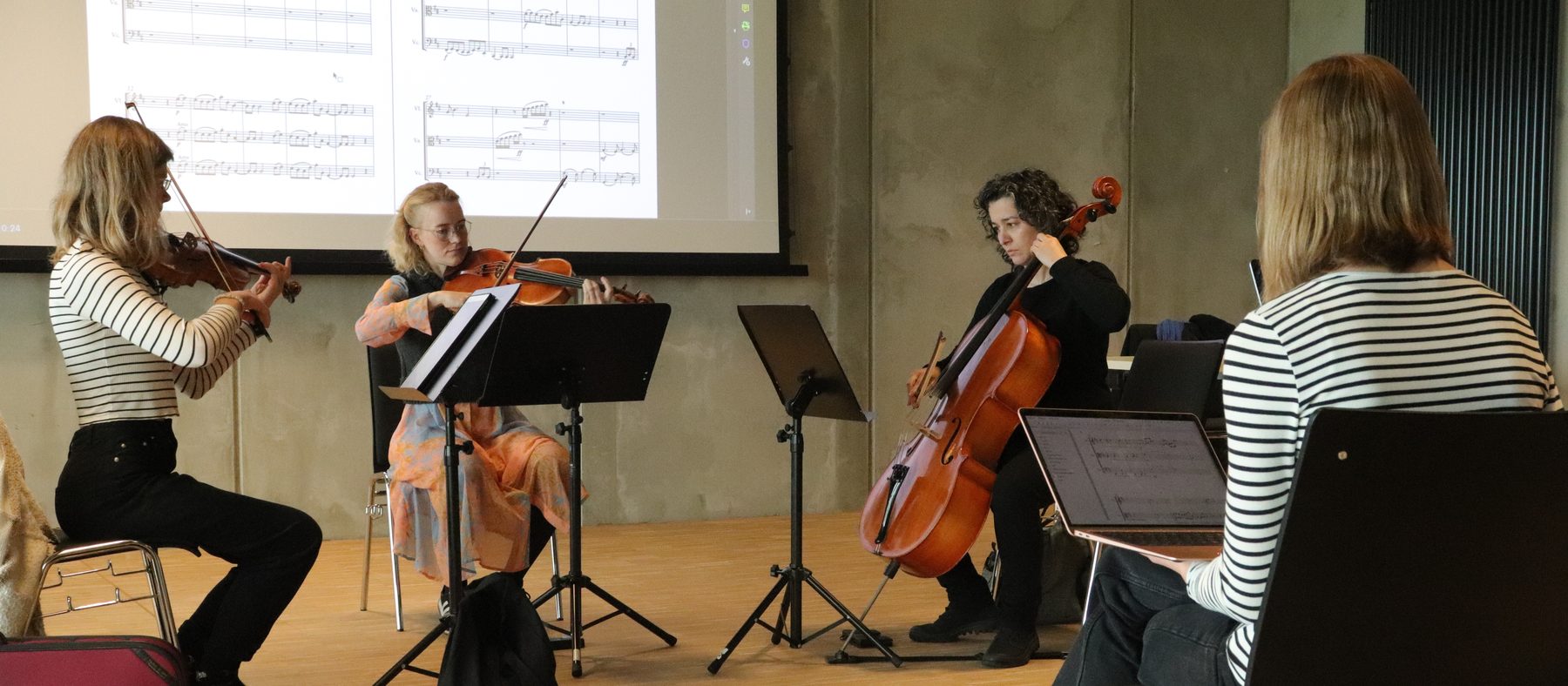
- Individual work — everyone finishes a piece for professional string trio
Day three — Sunday
- 08:00–09:00
- Breakfast
- 09:00–10:00
- Final corrections
- 10:00–12:00
- First rehearsal with the professional string trio
- 12:15–13:00
- Lunch
- 13:00–15:00
- Second rehearsal with the trio
- 15:00–16:00
- Preparing the small concert
- 16:00–17:00
- Open concert with the music of the participants
- 17:00–18:00
- Goodbye and a look back
What you need
- Age 14 and up.
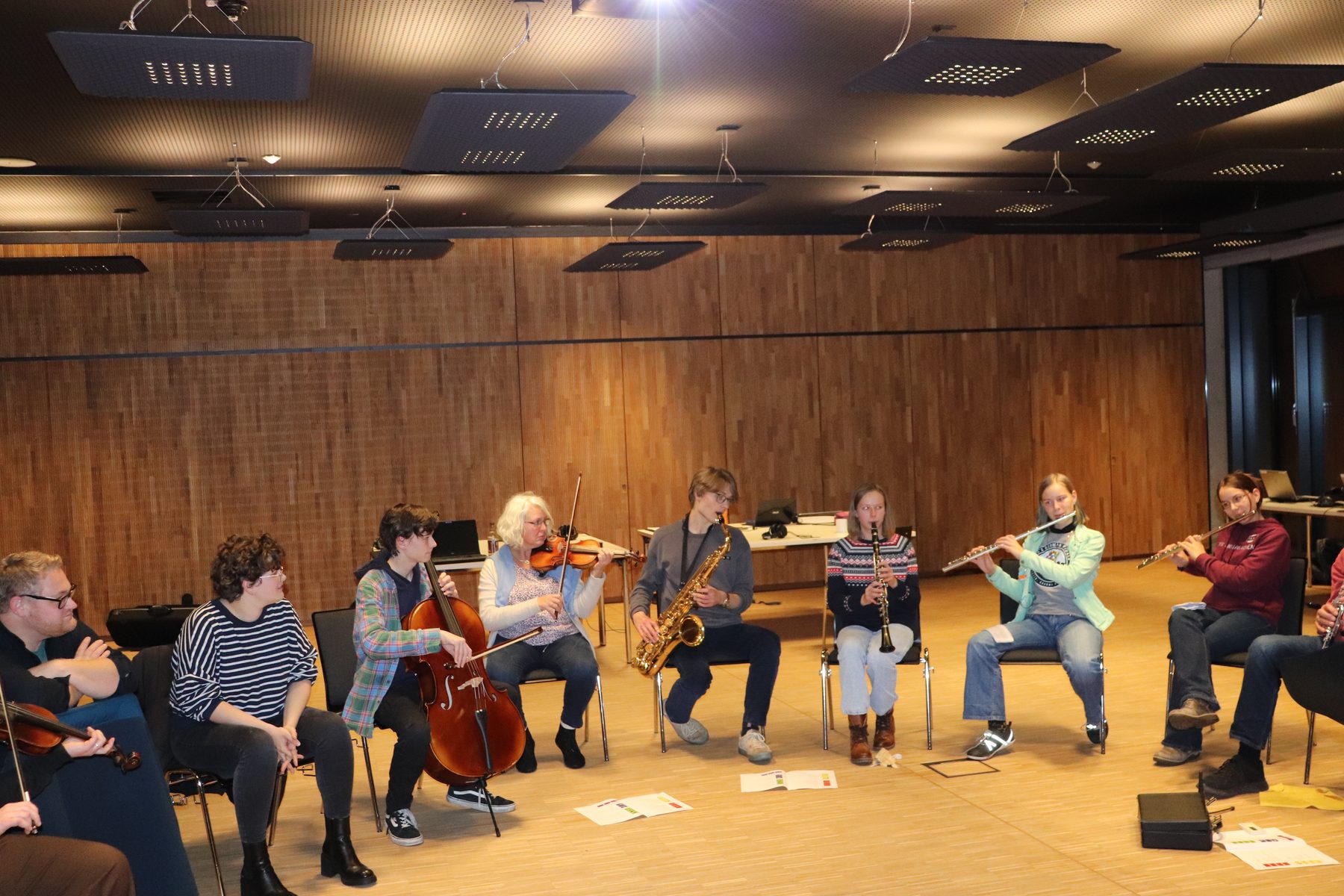
- You read music and play an instrument, or you sing. How well you play does not matter.
- A laptop or iPad is useful, but not required.
- Free software, if you want it: MuseScore for a laptop, Dorico for iPad for a tablet.
From the workshop
Bring the workshop to you
The workshop travels. It has run at Scheersberg in 2024 and 2025, and it works just as well at a music school, a school, a festival or an academy — as a weekend, or in a shorter form.
If you would like to host it, write to me and we will find a shape that fits your group.
shaul (at) shaulbustan.com